

Canada to Impose Retaliatory Tariffs on US Imports From September 8
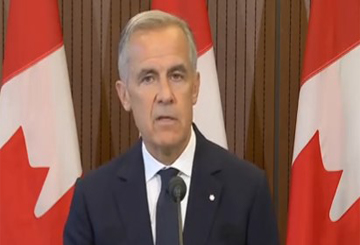
OTTAWA: Canadian Prime Minister Mark Carney said Saturday that Canada will impose retaliatory tariffs on a wide range of US imports from September 8 after Washington introduced new 50% tariffs on Canadian goods, escalating tensions between the two long-standing trade partners.
Carney said the decision followed the failure of several days of intense negotiations between Canada and the United States to produce a new trade agreement. The breakdown has further strained bilateral relations and raised fresh questions about the future of the United States-Mexico-Canada Agreement (USMCA), the continent’s major free trade pact.
US President Donald Trump’s latest tariffs, which took effect at midnight, cover a number of Canadian exports, including wine, furniture, dairy products, cement, clothing, fishing rods and hockey equipment. The measures affect around $20 billion worth of Canadian exports to the United States and do not exempt Canadian products covered by the USMCA.
“Canada will match Washington’s new tariffs dollar for dollar in order to protect Canadian workers, farmers, families and businesses,” Carney said at a news conference.
The Canadian countermeasures will target a range of US products, including steel, dairy goods, appliances, agricultural machinery, pulp and paper, and electronics. They will also apply to products already affected by US tariffs imposed under Sections 232 and 338 of US trade law, Carney said.
“We cannot accept what they have offered, and we will not give what they have asked,” the Canadian prime minister said in a strongly worded statement from Parliament in Ottawa.
Trump had indicated that he hoped Washington and Ottawa could reach an agreement on Friday. However, Carney said negotiations stalled after the US administration presented what he described as unacceptable last-minute demands.
“In recent days, the US proposed new terms that were uneconomic, unfair and undermined the net benefits to Canada, calling into question the reliability of any deal,” Carney said.
He added that the US proposals included restrictions on Canada’s ability to negotiate new trade agreements with other countries.
Carney said the Canadian government would also announce support measures next week for industries affected by the new US tariffs, alongside the retaliatory duties on American imports.
Concerns Over Economic Impact
The latest US tariffs cover roughly 5% of Canada’s exports to the United States, but Canadian trade experts have warned that the measures could cause serious damage to vulnerable industries, particularly softwood lumber and wine, potentially resulting in job losses and business closures.
“We will be mobilising our network of businesses in all regions and all sectors to brace for impact and make the best of a bad situation,” Canadian Chamber of Commerce CEO Candace Laing said.
Ontario Premier Doug Ford, a prominent critic of US tariff policies, backed Carney’s decision to retaliate, saying Canada had been right to reject the US proposal.
“I’m glad he didn’t sign that deal because it was a bad deal,” Ford told reporters on Saturday, arguing that the agreement would have harmed Ontario’s auto, steel and manufacturing sectors.
Meanwhile, US Trade Representative Jamieson Greer said Washington had no plans for further negotiations with Canada at present.
“We’re moving forward with measures that respond to Canadian retaliation,” Greer told Fox News. He maintained that Canada had been offered favourable terms but chose not to accept them.
The latest escalation marks another major setback in trade relations between the two North American allies and could place further pressure on businesses and industries on both sides of the border.
