

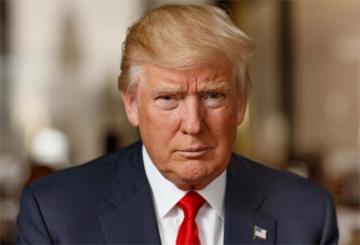
Trump announce 10 days ceasefire between Lebanon and Israel
Donald Trump has announced a proposed 10-day ceasefire between Lebanon and Israel, in an effort to temporarily halt escalating hostilities in the region.
According to Trump, the ceasefire was scheduled to take effect at **5:00 PM EST**, and he described it as an attempt to create “a little breathing room” between the two nations. He stated that he had personally spoken with Joseph Aoun and Benjamin Netanyahu to broker the truce.
However, despite these diplomatic efforts, Lebanese officials quickly pushed back. They clarified that President Aoun would **not engage in direct talks** with Netanyahu in the near future, dealing a setback to U.S. attempts to establish direct communication between the long-hostile states.
Conflict Escalation and Regional Impact
The current conflict intensified on **March 2**, when the militant group Hezbollah launched attacks in support of Iran. This prompted a large-scale Israeli military response in southern Lebanon—just **15 months after the previous major conflict** between the two sides.
The violence has since spiraled into a broader regional crisis, with implications for ongoing tensions involving Iran. Pakistan has also weighed in, emphasizing the importance of stability in Lebanon. Foreign Office spokesperson Tahir Andrabi stated that **peace in Lebanon is essential for progress in Iran-related peace talks**.
Diplomatic Deadlock
While Trump suggested that direct communication between Lebanon and Israel might occur soon, Lebanese authorities firmly rejected the idea. Officials confirmed that the Lebanese embassy in Washington had already informed the U.S. administration of their stance before a scheduled call between Aoun and U.S. Secretary of State Marco Rubio.
In an official statement, Aoun expressed appreciation for U.S. mediation efforts but reiterated Lebanon’s position: **a ceasefire must come before any negotiations**.
Lebanon’s government is also internally divided. It has clashed with Hezbollah over the group’s involvement in the conflict and has even banned its military activities since March 2. The government continues to push for the **peaceful disarmament** of the Iran-backed group, which was founded in 1982.
Fighting Intensifies in Southern Lebanon
Despite diplomatic efforts, fighting continues, particularly in southern Lebanon. The town of Bint Jbeil—a stronghold of Hezbollah—has become a key battleground. Israeli forces are reportedly close to securing control of the area.
In a significant escalation, Israeli airstrikes destroyed the **last remaining bridge over the Litani River**, effectively isolating parts of southern Lebanon from the rest of the country.
Hezbollah has continued launching rocket attacks into northern Israel, triggering air raid sirens and forcing civilians into shelters. While no immediate casualties were reported in Israel from the latest attacks, the broader toll of the conflict has been severe:
* Over **2,100 people killed** in Lebanon
* More than **1.2 million displaced**
* At least **2 Israeli civilians and 13 soldiers killed**
Israel’s Strategic Objectives
Israeli military leadership has declared that areas south of the Litani River will become a **“no-go zone”** for Hezbollah fighters. This reflects Israel’s goal of maintaining control over a buffer zone extending roughly **30 kilometers north of its border**.
Although Israel and the U.S. maintain that operations against Hezbollah are separate from the broader Iran ceasefire, regional leaders—including Pakistan’s Prime Minister Shehbaz Sharif—have argued that Lebanon should be included in any comprehensive truce.
U.S. Pressure and Ongoing Mediation
Senior officials from both Lebanon and Israel have acknowledged increasing pressure from Washington to reach a ceasefire agreement. While a U.S. official stated that the Trump administration has not formally demanded a ceasefire, it would **welcome an end to hostilities as part of a broader peace deal**.
Recent diplomatic efforts included rare talks between Israeli and Lebanese envoys in Washington. However, Netanyahu has simultaneously ordered the expansion of military operations in southern Lebanon, signaling a dual strategy of **military pressure and diplomatic engagement**.
Wider Implications: Iran, Oil, and Global Tensions
The conflict is closely tied to tensions with Iran. The U.S. has imposed a naval blockade on Iranian ports, significantly disrupting oil exports. Treasury Secretary Scott Bessent indicated that countries purchasing Iranian oil—particularly China—could face sanctions.
Trump also claimed he had urged Chinese President Xi Jinping not to supply weapons to Iran.
Meanwhile, Iran has restricted access to the strategically vital Strait of Hormuz, disrupting global energy supplies. The U.S. military reports that no vessels have successfully passed through the blockade in its early stages.
Iran has warned that continued pressure could lead to **wider disruptions in global trade routes**, including the Gulf, the Sea of Oman, and even the Red Sea.
Nuclear Talks Complicate Peace Efforts
Efforts to resolve the conflict are further complicated by disagreements over Iran’s nuclear program. The U.S. has proposed a **20-year suspension** of Iran’s nuclear activities, while Iran has suggested a shorter **3–5 year pause**.
Key sticking points include:
* Removal of enriched nuclear material from Iran
* Lifting of international sanctions
Despite these challenges, sources indicate that **back-channel negotiations are making progress**, raising hopes for a potential breakthrough in upcoming talks.
While Trump’s ceasefire proposal offers a potential pause in violence, deep political divisions, ongoing military operations, and broader regional tensions continue to hinder lasting peace. The situation remains highly volatile, with developments in Lebanon closely tied to the larger geopolitical struggle involving Iran, Israel, and global powers.
