

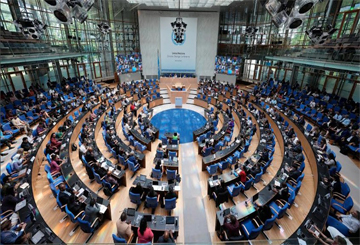
Climate Finance Commitments at Risk
ISLAMABAD: As the world gears up for the United Nations Climate Change Conference (COP30) in Brazil, one issue looms large over the negotiations: money. More than a decade
ago, wealthy nations pledged to provide $100 billion every year to help developing countries cope with the impacts of climate change. Yet today, those promises
remain far from reality.For countries in Africa and Asia, the matter is not just financial,it’s about survival. Without timely support, flood defenses remain unfinished,
renewable energy projects stall, and millions of people are left exposed to rising seas and extreme weather. Leaders from the Global South say the repeated failure
of industrialized nations to deliver has shaken trust in the entire process.
The United Nations has described climate finance as “the backbone of resilience,” stressing that fair and predictable funding is critical for both cutting emissions
and adapting to awarming planet. But frustration is mounting fast. African leaders warn that entire regions could be left behind in the global climate effort, while
Small island nations say their very existence is on the line.
Civil society groups are equally vocal. Environmental NGOs are demanding that finance not only be accelerated but also transparent. Too often, they argue, pledges
are recycled figures or loans disguised as aid, leaving vulnerable nations deeper in debt. Experts add that funding must be accessible to those who need it most,
not trapped in bureaucratic hurdles.
Brazil, hosting COP30, has signaled it will push hard for stronger commitments and accountability measures. Observers believe climate finance will dominate the
Talks, with many warning that the credibility of global climate goals, including the critical 1.5°C limit, depends on real progress.
But beyond numbers and negotiations, this debate is deeply political. For countries on the frontlines, finance is the foundation of trust. As one African negotiator
Recently put it: “Without finance, there is no trust. And without trust, there is no climate action.
