

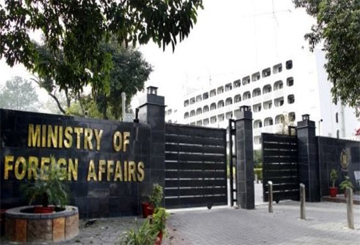
Pakistan Calls Emergency UNSC Meeting Over Israeli Strikes in Qatar
Islamabad | 10 September 2025
Pakistan, in coordination with Algeria and Somalia, has formally requested an emergency meeting of the United Nations Security Council (UNSC) to address the escalating crisis following an Israeli airstrike in Qatar, which Islamabad has termed a violation of sovereignty and international law.
Pakistan’s Foreign Minister Demands Global Action
Taking to social media platform X (formerly Twitter), Pakistan’s Deputy Prime Minister and Foreign Minister, Ishaq Dar, announced:
“In view of the unprovoked illegal Israeli aggression against the brotherly State of Qatar, Pakistan, along with Algeria and Somalia, has requested an Emergency meeting of the United Nations Security Council, to discuss the situation and seize itself of this grave matter.”
Dar further reaffirmed Pakistan’s diplomatic solidarity with Qatar:
“Pakistan expresses its complete solidarity and firm support with the Government and brotherly people of Qatar.”
FO Condemns Attack as “Provocative and Reckless”
In an earlier statement issued on Wednesday, Pakistan’s Foreign Office delivered a sharply worded condemnation of the Israeli airstrike, calling it:
- A “provocative and reckless” act
- A violation of the UN Charter
- A breach of established norms of interstate relations
- An “unprovoked and unlawful aggression” targeting a sovereign state
The FO’s language echoes a broader pattern in Pakistan’s foreign policy of defending the sovereignty of Muslim nations and opposing perceived violations of international norms by stronger powers.
Background: Israeli Strike in Doha Kills Hamas Leaders
On Tuesday, Israel carried out an unprecedented airstrike in Doha, the capital of Qatar, targeting senior Hamas leaders. The strike killed at least five Hamas operatives, including the son of top negotiator Khalil al-Hayya. A Qatari security officer was also reportedly killed.
- Israel’s Justification: Claimed the strike was a response to a Hamas-claimed attack in Jerusalem that killed six people.
- Hamas: Confirmed the death of members but stated key negotiators survived.
- Qatar: Condemned the strike, vowing to continue mediating Gaza ceasefire talks and labeling the attack as a “serious breach of its sovereignty.”
Global Reaction
The Israeli action has prompted widespread international backlash:
- White House: Criticized the strike on a US ally, while acknowledging that targeting Hamas was a “worthy goal.” Former President Donald Trump, who remains a key Republican figure, reportedly assured Qatar that such action would not be repeated.
- Britain, France, and Germany: Issued a joint condemnation, warning the action was unacceptable and dangerous.
- European Union: Echoed concerns about regional escalation and sovereignty violations.
- Prime Minister Shehbaz Sharif: Also weighed in, calling the attack unlawful and a threat to regional peace.
Pakistan’s Role & Regional Diplomacy
Pakistan’s move to coordinate with Algeria and Somalia for a UNSC emergency meeting reflects an attempt to mobilize the Muslim bloc at the UN and increase diplomatic pressure on Israel. It also underlines Islamabad’s:
-
Proactive stance on Middle Eastern conflicts
-
Strategic support for Qatar, a country with which it shares long-standing economic and military ties
-
Commitment to multilateralism, by appealing to the UNSC as the appropriate forum for conflict resolution
This development may also affect Pakistan’s ties with Western countries and Israel’s few regional partners, given the sharp divergence in views.
What Comes Next?
-
The UNSC’s response will determine whether this incident evolves into a larger diplomatic crisis.
-
Pakistan may push for a UN resolution, though vetoes from permanent members (especially the US) could stall formal action.
-
Qatar is expected to lead diplomatic lobbying at the UN and Arab League, backed by states like Pakistan, Turkey, and Iran.
-
Increased tensions in the Gulf may disrupt ongoing ceasefire negotiations between Israel and Hamas.
