

Araghchi Welcomes US Diplomatic Initiative but Rules out Immediate Talks
Tehran demands sanctions relief, release of frozen assets and reduction of US forces; Qatar and Pakistan continue mediation.
In Interview Araghchi links resumption of negotiations with Washington to sanctions relief, release of frozen assets, reduction of US military presence and agreement on Strait of Hormuz shipping routes
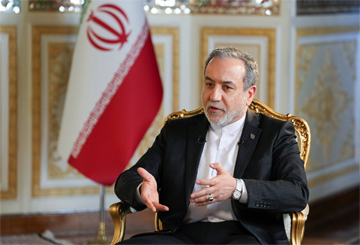
TEHRAN: Iranian Foreign Minister Abbas Araghchi has described Washington’s latest attempt to open a channel of dialogue with Tehran as a “positive step”, but stressed that any negotiations with the United States would depend on the fulfilment of Iran’s conditions.
In an interview with Al Jazeera, Araghchi said Iran had reviewed a letter sent by US Vice President JD Vance, describing Washington’s initiative to establish communication and explore diplomatic understanding as a positive development. However, he cautioned that Tehran would not enter negotiations without clarity on the outstanding issues and concrete steps to address its demands.
The Iranian foreign minister said Tehran’s conditions had been conveyed to mediators, including Qatar and Pakistan, who were continuing consultations with both sides to explore a possible framework for resuming diplomatic engagement.
Araghchi disclosed that discussions with Qatari mediators had resulted in a proposed reduction in the timeframe for implementing Iran’s initiative concerning the Strait of Hormuz. According to him, Qatar had initially suggested completing the implementation process within five days, but consultations had produced a revised proposal that could reduce the period to just two days.
“The Qatari side proposed shortening the implementation period of the Iranian proposal to five days. We have reached a proposal at this stage that reduces the implementation period to two days,” he said.
He indicated that progress on the Hormuz proposal could become an important step towards creating conditions for the resumption of negotiations with Washington.
Outlining Tehran’s demands, Araghchi said Iran was seeking the removal of sanctions imposed following the Islamabad memorandum, a reduction in the presence of US forces in the region, restoration of oil-related waivers and the release of Iranian financial assets frozen abroad.
He particularly emphasised that all frozen Iranian funds, including assets held in Qatar, should be released as part of any arrangement aimed at advancing the diplomatic process.
The Iranian foreign minister also identified the arrangements governing maritime traffic through the Strait of Hormuz as a central element of Iran’s proposal. He said Tehran was seeking recognition of the shipping routes it had discussed with Oman, alongside the closure of other routes.
According to Araghchi, reopening the strategically important waterway under the conditions proposed by Iran could create an opportunity to resume negotiations with the United States on the remaining contentious issues.
He further revealed that the nuclear issue was also being discussed through the mediation process. Mediators had presented proposals concerning Iran’s nuclear programme, which Tehran was currently reviewing as part of what he described as the second phase of consultations.
The disclosure suggests that the diplomatic discussions extend beyond maritime arrangements and sanctions relief to include broader issues that have remained at the centre of tensions between Tehran and Washington.
Araghchi confirmed that an Iranian delegation had travelled to Qatar to continue consultations with mediators. He said one of his aides was currently in the Gulf country, where discussions were continuing with Qatari and Pakistani representatives regarding Iran’s conditions.
“My aide is currently in Qatar to continue consultations. Qatari and Pakistani mediators are continuing consultations regarding our conditions,” he said.
Despite the ongoing diplomatic contacts, Araghchi ruled out any immediate meeting between Iranian and American officials, dismissing reports about possible direct talks as media speculation.
He said Tehran currently saw no need for a face-to-face meeting with Washington, arguing that Iran’s demands had already been clearly communicated and that mediators were working to address them.
“There is no need to meet with the Americans at present. Our conditions are clear, and mediators are continuing their consultations regarding them,” he said.
The Iranian foreign minister added that the decision to pursue direct or indirect negotiations would depend on whether the United States agreed to address Tehran’s demands. He made clear that the diplomatic process would not automatically lead to formal talks unless sufficient progress was achieved on the conditions presented by Iran.
Reiterating his assessment of Washington’s latest diplomatic initiative, Araghchi said the US attempt to open a broader channel of communication and understanding was a positive development. However, he warned that the purpose behind the American communication would be crucial in determining Tehran’s response.
“The American side’s attempt to open the door to dialogue and understanding more broadly is a positive step,” he said.
At the same time, he cautioned Washington against using the communication to create divisions or undermine the diplomatic process.
“If Washington’s goal in sending this letter is to stir up discord, it would be yet another mistake to add to its previous ones,” Araghchi warned.
His remarks come amid continuing diplomatic efforts involving Iran, Pakistan and Qatar to explore a possible framework for easing tensions and addressing the issues separating Tehran and Washington. The consultations have focused on the Strait of Hormuz, economic sanctions, frozen Iranian assets, the regional military presence of the United States and Iran’s nuclear programme.
While Tehran has acknowledged Washington’s willingness to establish a channel of communication, Araghchi’s statements indicate that Iran is seeking concrete assurances on its demands before agreeing to formal negotiations. For now, the mediation process remains focused on bridging differences and determining whether the two sides can establish conditions for a renewed diplomatic engagement.
